Choose Muldrow Roofer for Professional Residential Roofing Solutions
Choose Muldrow Roofer for Professional Residential Roofing Solutions
Blog Article
Determining the Finest Roofer: Key Advice for Homeowners
Choosing the right roofer is a crucial decision for homeowners. It calls for detailed consideration and a systematic strategy. Examining roof needs, collecting references, and examining contractor candidates are all important phases. Comprehending qualifications and comparing bids can seem overwhelming. Yet, these actions are necessary for a effective project. Property owners must also take into account guarantees and coverage, as these considerations can significantly affect their long-term happiness. What should be the proceeding action in this workflow?
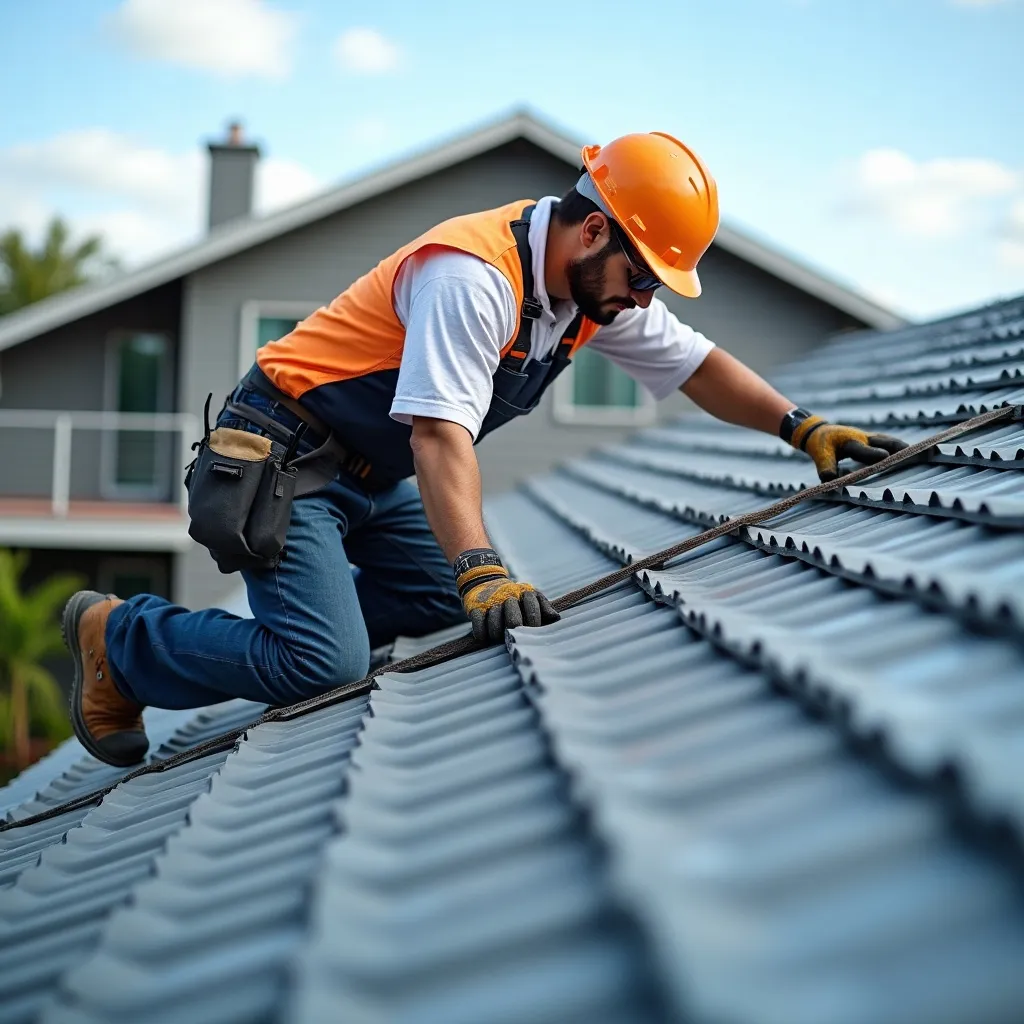
Recognize Your Roof Requirements: Assessing Damage and Necessities
When considering roofing needs, homeowners should start by reviewing the condition of their existing roof. This assessment requires a thorough inspection for obvious defects, including missing shingles, leaks, or sagging areas. Homeowners should also take the roof's age into account; a roof nearing the end of its lifespan may necessitate replacement rather than repairs. Additionally, elements like the local climate and surrounding environment can shape roofing requirements. For instance, homes located in areas prone to severe weather might need more resilient materials. It is also vital to identify any underlying issues, such as ventilation or insulation problems, which could impact the roof's performance. By understanding these specific needs, homeowners can make educated decisions about repairs or replacements, ensuring their roofing options align with their long-term goals and budget. A clear assessment provides the foundation for selecting the most appropriate solutions moving forward.
Selecting Reputable Roofers
What steps can homeowners take to ensure they select a reliable roofer for their undertaking? To begin, they should seek suggestions from friends, family, or neighbors who have lately finished roofing work. Online reviews and ratings can also provide insight into a roofer's reputation. Afterwards, homeowners should check that candidate roofers are duly licensed and adequately insured, as this protects against liability for accidents during the undertaking. It is essential to gather multiple quotes, allowing homeowners to assess rates and services provided. Moreover, a reliable roofer should be willing to provide references from previous clients, showcasing their quality of work. Homeowners should also question about protections on both materials and labor to confirm extended satisfaction. By executing these steps, homeowners can substantially increase the chance of engaging a trustworthy and capable roofing professional.
How to Determine Roofer Professional Standing
When assessing a roofer's qualifications, it is essential to confirm their licensing and insurance to ensure compliance with local regulations and protection against potential liabilities. Additionally, checking for industry certifications can provide insight into the roofer's commitment to quality standards and expertise. These steps are critical in selecting a qualified professional for roofing projects.
Check Licensing And Protection
Starting with verifying the licenses and insurance is how one evaluates a roofer's credentials. Homeowners should obtain the roofer’s license and verify it is current and legitimate, since engineering rules differ from state to state. A licensed roofer demonstrates compliance with local building codes and industry standards. Moreover, confirming that the roofer is properly insured is very important. This includes both liability insurance and worker’s compensation. Liability insurance serves to protect homeowners from possible damages throughout the roofing process, while workers’ compensation provides coverage for injuries workers may experience. Often, homeowners can verify this information through state licensing boards or insurance providers. Using these methods helps ensuring the hired roofer is reliable and lowers risks tied to roofing work.
Audit Sector Certifications
A substantial number of property owners minimize the relevance of verifying industry credentials during the process of selecting a roofing contractor, though these certifications can significantly impact the standard of craftsmanship. Certifications from respected organizations, such as the National Roofing Contractors Association (NRCA) or GAF, confirm that a roofing specialist has undergone in-depth training and maintains professional standards. Homeowners should question specific qualifications held by potential contractors and authenticate their legitimacy through contact with the certifying bodies. This assures not only that the roofer is knowledgeable in the newest products and methods but also reflects a commitment to professionalism. Also, certified roofing professionals often can access superior materials and warranties, additionally maximizing the quality of their work. Making a priority of these qualifications can result in a more stable roof solution.
Essential Inquiries for Your Roofing Contractor Interview?
How can property owners guarantee they choose the right roofing contractor? One practical approach is to prepare a collection of important questions for the consultation. First, homeowners should inquire about the contractor's background and specialization in home roof work. This helps assess their capability for the particular job. In addition, inquiring about proper credentials and coverage ensures compliance with area codes and safeguards against potential liabilities.
Homeowners should also ask for references from previous clients to assess customer satisfaction and reliability. Questions about the materials employed can reveal the contractor's dedication to excellence. Additionally, talking about the project schedule and payment structure is vital for comprehending expectations. Finally, asking about guarantees on both materials and workmanship can offer peace of mind regarding the durability of the roof. By asking these specific questions, homeowners can make informed decisions and feel confident in their selection of roofing contractor.
Guide to Evaluating Roofing Quotes Effectively
When comparing roofing quotes, it is vital to understand the components that make up each estimate. This involves not only the labor costs but also the materials suggested for the project. Assessing the quality and durability of these materials can significantly affect the overall value and endurance of the roofing solution.
Learn Quote Aspects
Grasping the components of roofing quotes is necessary for homeowners seeking to make sound choices. A full quote generally includes labor costs, materials fees, and additional charges such as permits or cleanup. Homeowners need to pay attention to the elements listed in each section, as variations can significantly affect overall pricing. It is crucial to check the guarantee details and the anticipated timeline for project completion, as detailed article these factors can influence long-term satisfaction. Comparing several quotes enables homeowners to identify discrepancies and evaluate the value provided by different contractors. By clearly understanding these components, homeowners can make improved choices, ensuring they pick a roofer who fills both their budget and quality requirements.
Evaluate Material Options
Effectively comparing roofing quotes demands a thorough evaluation of roofing materials. Homeowners should take into account the longevity, price, and protection plan associated with each material type. Popular roofing options include asphalt shingles, metal, tile, and slate, each providing distinct benefits and disadvantages. For instance, asphalt shingles are budget-friendly but may have a shorter lifespan compared to metal or slate. Additionally, homeowners must assess the local climate, as certain materials work more effectively under particular environmental factors. It's essential to ask contractors about the standards of their materials and any potential hidden costs. By recognizing the variety of roofing choices, homeowners can make informed decisions that align with their budget and long-term goals for their roof installation.
The Importance of Coverage and Assurance for Roof Projects
Warranties and insurance are crucial elements in roofing projects, often underestimated by homeowners. A strong warranty provides protection that the materials and workmanship are safeguarded against defects for a specified period. This not only protects the homeowner's investment but also increases the roof's longevity. Additionally, reputable roofing contractors typically offer warranties, indicating their belief in their work.
Insurance, alternatively, guards homeowners from possible financial risks during the roofing process. It covers accidents that may occur on the job site, confirming that the homeowner is not financially responsible for injuries or damages. Without proper insurance, homeowners may face large expenses in case of unforeseen incidents.
Popular Inquiries Asked
How much time Should a Roofing Project Typically Take?
A roofing project usually takes one to three weeks, contingent on elements like the roof's size, materials used, weather conditions, and the contractor's availability. Delays can happen due to unforeseen circumstances.
What Materials Are Ideal for My Environment?
Optimal roofing choices for a specific climate rely on factors including temperature extremes and rainfall. Cold regions excel when using metal roofs or asphalt shingles, while tropical climates often gain from tiles or reflective materials aimed at lower heat absorption.
Should I Remain Home During the Roofing Work?
Homeowners may frequently remain at home during roofing work, but it's prudent to get ready for noise and disruption. Ensuring safety and clear communication with the roofing crew will enhance the overall experience.
How Will Weather Impact the Roof Installation Timeline?
Rain, snow, and extreme temperatures can hinder roofing work and significantly impact schedules. Roofers often adapt timelines based on weather predictions to secure safety and proper installation, stressing quality over speed in unfavorable weather.
What Transpires if I Need Further Maintenance During Installation?
If additional repairs are required during installation, the roofer typically evaluates the situation and gives a updated estimate. This may extend the schedule and expenses, guaranteeing the roof's integrity and longevity remain prioritized.
Report this page